
The Ultimate SaaS Hiring Strategy Playbook for Scaling Startups
16 Dec, 20257 minutesA successful SaaS hiring strategy for scaling startups prioritises agility, a strong Employe...

A successful SaaS hiring strategy for scaling startups prioritises agility, a strong Employer Value Proposition (EVP), and data-driven recruitment loops. By balancing speed with cultural assessment and leveraging embedded models like Talent-as-a-Service, startups can reduce time-to-fill and secure top-tier engineering talent during rapid growth phases.
The Ultimate SaaS Hiring Strategy Playbook for Scaling Startups (2025)
The shift from "startup" to "scaleup" is the most dangerous phase in a SaaS company's lifecycle. You have secured the funding, likely Series A or B, and the product-market fit is there. Now, the bottleneck isn't capital; it's people. Specifically, it’s the ability to get high-quality code shipped while simultaneously building the infrastructure to support it.
At MRJ Recruitment, we often see founders falling into the "panic hiring" trap. They realise their roadmap exceeds their current bandwidth, so they flood job boards with generic specs. This approach fails 90% of the time.
Without a concrete SaaS hiring strategy, you risk inflating your burn rate with misaligned hires, or worse, stalling your product velocity. This guide is your playbook for navigating the 2025 talent landscape, whether you are a CTO needing to double your engineering team or a Founder looking for your first VP of Sales.
The Tech Talent Landscape: What Changed?
The market has fundamentally shifted. The "growth at all costs" mentality of previous years is gone. In 2025, efficiency is the new currency, and specialised talent is the driver.
For candidates, stability and technical challenge now outweigh sheer salary inflation. Top-tier Software Engineers are increasingly wary of equity in unproven models; they want to see a clear path to profitability and high-level AI integration.
Market Realities:
- The AI Premium: Developers with verified AI/ML integration skills now command a 12% salary premium over generalist roles.
- Speed is Non-Negotiable: In-demand technical talent is typically off the market in just 7–10 days. If your interview process takes three weeks, you've already lost.
- Hybrid as a Standard: 70% of the SaaS workforce now works remotely at least 5 days per month. Companies insisting on 5 days in-office are seeing their candidate pools shrink by up to 60%.
Diagnosing Your Scaling Pain Points
Before you sign another offer letter, you must diagnose where your current process is breaking. In our experience working with Manchester and London’s fastest-growing SaaS unicorns, the cracks usually appear in three areas:
- The Founder Bottleneck: The CEO/CTO is still interviewing every candidate, paralysing the process.
- The "Culture Fit" Ambiguity: Rejections are based on "vibes" rather than structured competency frameworks, leading to bias.
- The Pipeline Drought: You have plenty of applicants, but none pass the technical screen.
MRJ Insight: If your offer acceptance rate is below 70%, your process is taking too long, or your EVP isn't landing. Speed is a feature of your recruitment process.
Pillar 1: Scaling Engineering Teams with Precision
Scaling engineering teams requires a shift from "hiring generalists" to "hiring specialists." When you were five people in a WeWork, you needed a Full Stack Developer who could fix the CSS and manage the AWS instance. Now, you need specific expertise.
Structuring the Team for Scale
- The Squad Model: Break your engineering department into cross-functional squads (Product, Design, Backend, Frontend, QA). This maintains agility as headcount grows.
- The Ratio Rule: For every 4-6 junior/mid-level engineers, you need one Senior/Lead. If you hire too many juniors without oversight, technical debt will crush you.
The Cost of a Bad Technical Hire
It’s not just the recruiter fee. The cost of a bad engineering hire in a SaaS environment is estimated at 3x their annual salary. This includes wasted onboarding time, code refactoring, and the morale hit to the rest of the team.
Interested in how we help scaling tech teams? Explore our Talent-as-a-Service solutions for a flexible, embedded approach.
Pillar 2: The Executive Layer and Leadership
There comes a moment when a Founder must fire themselves from certain roles. You cannot be the CEO, VP of Sales, and Head of Product simultaneously.
This is where executive search tech becomes critical. Hiring a C-suite leader (CTO, CPO, CRO) is fundamentally different from hiring an individual contributor.
When to Bring in the C-Suite?
- The CTO: When the technical Founder needs to focus on investor relations or strategy, or when the tech stack complexity outgrows the Founder's recent experience.
- The VP of Sales: When you need to move from founder-led sales to a repeatable, scalable revenue engine.
How to Vet Executives
- Track Record: Have they scaled a SaaS company from $5M to $20M ARR before?
- Network: Do they bring a "black book" of talent with them?
- Strategic Vision: Can they translate your 3-year goal into a 90-day execution plan?
At MRJ, our executive search tech division focuses on these intangibles. We don't just match resumes; we match growth trajectories.
Pillar 3: Choosing Your Model – Agency vs. TaaS
Defining your SaaS hiring strategy also means defining how you hire. In 2025, the binary choice between "in-house recruiter" and "external agency" has evolved.
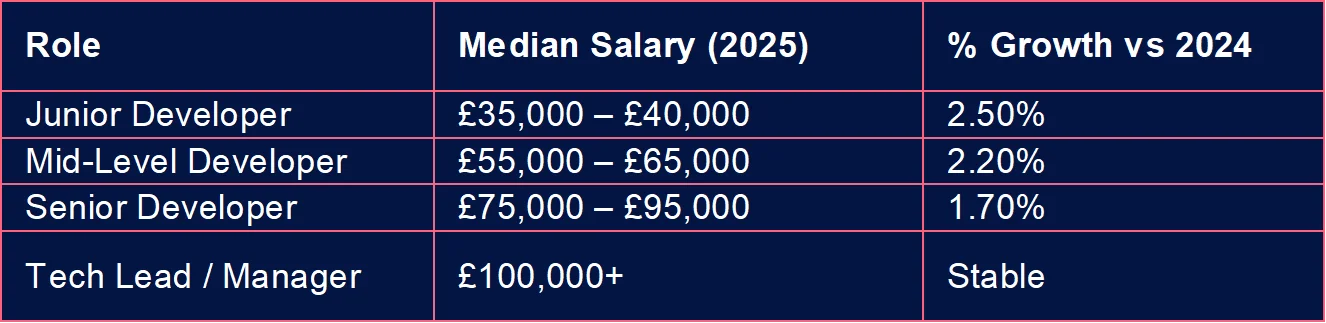
| |||
Talent-as-a-Service (TaaS) is increasingly the preferred model for scaling SaaS firms. It gives you an embedded talent partner who acts as your internal Head of Talent, managing everything from EVP creation to onboarding, but without the long-term headcount liability.
The TaaS Advantage
We recently deployed a TaaS model for a Fintech client looking to hire 15 engineers in 4 months. By embedding our team, we slashed their time-to-hire from 55 days to 28 days and saved them approx. 35% compared to traditional agency fees.
Conversion Bridge: From Chaos to Clarity
Are you spending more time scrolling LinkedIn Recruiter than building your product? It’s time to change the dynamic. MRJ Recruitment’s ecosystem is built to handle the heavy lifting of scaling, so you can focus on the roadmap.
Whether you need a full TaaS implementation or a targeted search for a new CTO, we have the network to deliver.
FAQ: Solving Common SaaS Hiring Challenges
What are the biggest hiring challenges for SaaS startups in 2025?
The primary challenges include competing with Big Tech for salaries, navigating the scarcity of AI/ML talent, and maintaining company culture during rapid headcount expansion. Additionally, the "hybrid vs. remote" debate continues to complicate offer negotiations.
How much should we budget for recruitment fees?
While traditional agencies charge 15-25% of the first year's salary, shifting to a Talent-as-a-Service model can often reduce this effective rate to 10-15% when hiring at volume, while providing better consistency in candidate quality.
How do we reduce Time-to-Fill for developers?
- Streamline the Tech Test: Move it earlier in the process or make it a "take-home" limited to 2 hours.
- Pre-close Candidates: Discuss salary and equity in the first screen to avoid end-stage dropouts.
- Use an Embedded Partner: Dedicated recruiters who understand your stack move faster than generalists.
What is the ideal interview structure for a SaaS Engineer?
- Screen (30 min): Cultural fit & high-level tech check (Recruiter).
- Tech Task (Async): Practical coding challenge relevant to your work.
- Technical Deep Dive (60 min): Pair programming or system design review (Senior Engineer).
- Final Culture/Values (30 min): Meet the Founder/CTO.
Optimising the Funnel: Retention Starts at Recruitment
Your SaaS hiring strategy doesn't end when the contract is signed. The first 90 days are critical. High churn in the first year usually points to a mismatch between what was sold during the interview and the reality of the role.
To combat this, ensure your Employer Value Proposition (EVP) is authentic. If your codebase is legacy spaghetti that needs refactoring, tell them. The right engineers love a turnaround challenge; they hate being lied to.
Market Data & Trends
According to The State of Tech Hiring 2024 (Stack Overflow/HackerRank), flexible working hours and learning opportunities now rank higher than office perks like ping-pong tables. Ensure your benefits package reflects this reality.
Key Takeaway: Candidates are researching you as much as you are researching them. Ensure your Glassdoor and LinkedIn Life pages reflect the vibrant culture you are building.
Your Next Step: Mastering SaaS Hiring in 2025
Scaling a startup is a marathon of sprints. Don't let a lack of talent be the reason you stumble. By implementing a data-backed strategy and choosing the right partners, you can build a team that propels you to the next funding round.
Your Action Plan:
- Audit Your Funnel: Look at where candidates are dropping off. Is it the tech test? The offer stage?
- Define Your Model: Decide if you need the flexibility of TaaS or the precision of Executive Search.
- Get Expert Help: Don't go it alone.
Ready to scale?
- View our Case Studies to see how we’ve helped others scale.
- Book a Consultation with our Tech Scaling Experts.
Author Bio
Cameron Whitwam is a Senior Consultant at MRJ Recruitment, specialising in scaling engineering and product teams for high-growth SaaS businesses. With years of experience navigating the complexities of the UK tech market, Cameron helps founders and CTOs transition from ad-hoc hiring to building robust, world-class talent engines. He is passionate about connecting the dots between business strategy and people strategy.